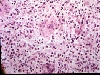
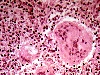
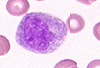
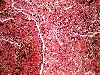
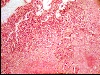
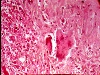
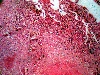
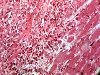
General and Systemic Histopathology, C601&C602 Infectious Diseases In this section we will
be looking at some of the same slides we studied in the inflammatory and
repair unit, but from a different point of view. When finished, you should
be able to identify the general inflammatory patterns associated with bacterial,
fungal, tubercular and viral infections. Although there are just a few slides
to be reviewed, the basic patterns can be applied to many situations. When
finished with this unit, you should understand the mechanism of injury and
be able to identify common inflammatory patterns such as: acute and chronic
inflammatory exudates, abscesses, granulomas and necrotizing processes. As
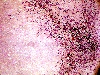
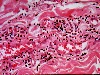
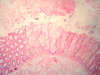
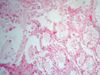
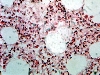
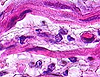
slide 131 will show, finding the culprit may require some vigilance.
Previous Laboratory | Next Laboratory | Table of Contents Mark
Braun, MD braunm@indiana.edu
|